My Story
My mom died young—at 48—from complications of ovarian cancer. She was diagnosed at 44. Losing her was deeply formative, and it stayed with me even as life moved forward.
Years later, I was living in Santa Monica—married, working, completely consumed by my career. I was doing what I thought was responsible: showing up to my annual OB-GYN appointment. I almost skipped it. I remember thinking, I don't even have time for this. But I made myself go.
How I Felt When I Found Out
It was the first time I'd ever seen that doctor, and coincidentally, her sister was a genetic counselor. Given my family history, she strongly encouraged me to get tested for BRCA. I didn't know what BRCA was. I didn't meet with a genetic counselor. I just did the test.
A few weeks later, I got a phone call while I was at work. I didn't know the person on the other end of the line. The delivery was intense and abrupt. I was told I was BRCA-positive, followed by a long pause meant to let it "sink in."
I remember thinking, Okay. I understand I'm high-risk. And then I went back to my day. I put it in a drawer—not out of denial, but because I didn't yet know what to do with it.
COVID made that easier. Life was chaotic. Everything felt abstract.
How I Thought About Risk
For a long time, risk lived somewhere in the background. I understood it intellectually, but emotionally, I wasn't there yet. I thought staying on top of routine appointments was enough. I didn't have a framework for what proactive action actually looked like.
That shifted when I became pregnant and started approaching 40. Suddenly, this wasn't theoretical anymore. I had a child. I had responsibility. And I realized I couldn't keep postponing decisions.
The Decisions I Faced
When I moved to Ojai, I found a regular OB-GYN who helped me start navigating next steps. He wasn't a specialist, and we were often figuring things out together. We began increased surveillance, with the assumption that surgery would come later.
At first, I thought the path was straightforward: mastectomy first, hysterectomy later.
Then a small moment of luck changed everything.
A close family friend was staying with us to help with my newborn. She had spent decades as a nurse at UCSF. When she heard I was BRCA-positive, she said, "You need to talk to a genetic counselor at UCSF."
That conversation gave me clarity I hadn't had before.
What I Chose—and Why
When I finally met with a genetic counselor who specialized in BRCA, they looked at my family history and reframed everything. Given my mother's ovarian cancer and the lack of reliable ovarian surveillance, they recommended reversing the order of surgeries.
So instead of starting with a mastectomy, I chose to address ovarian risk first.
A few months after an emergency C-section, I had a hysterectomy. Physically, it was manageable—especially compared to childbirth. Emotionally, it carried weight. Even when people minimized it, the mental load was real. I went on estrogen immediately afterward.
About a year later, I knew it was time to move forward with the mastectomy.
What Treatment and Recovery Were Really Like
As I was planning that surgery, the local breast surgeon I'd been seeing left her practice, and I found myself starting over. During surveillance, something was caught very early—because I was being monitored.
Through family connections, I was referred to Dr. Anne Peled at UCSF. Choosing to travel for care was one of the best decisions I've ever made.
I felt genuinely cared for. I was able to do removal and reconstruction in a single surgery, and the process was seamless. Even small things—like scheduling all follow-ups in advance—removed an enormous amount of mental burden.
I didn't need chemotherapy. I did need to stop estrogen and start an aromatase inhibitor, which brought me into surgical menopause.
Where I Am Now
I'm 41, I have a two-year-old, and I'm in menopause—earlier than most of my peers. Some days it feels strange. Some days it feels isolating. And many days, it simply feels like life.
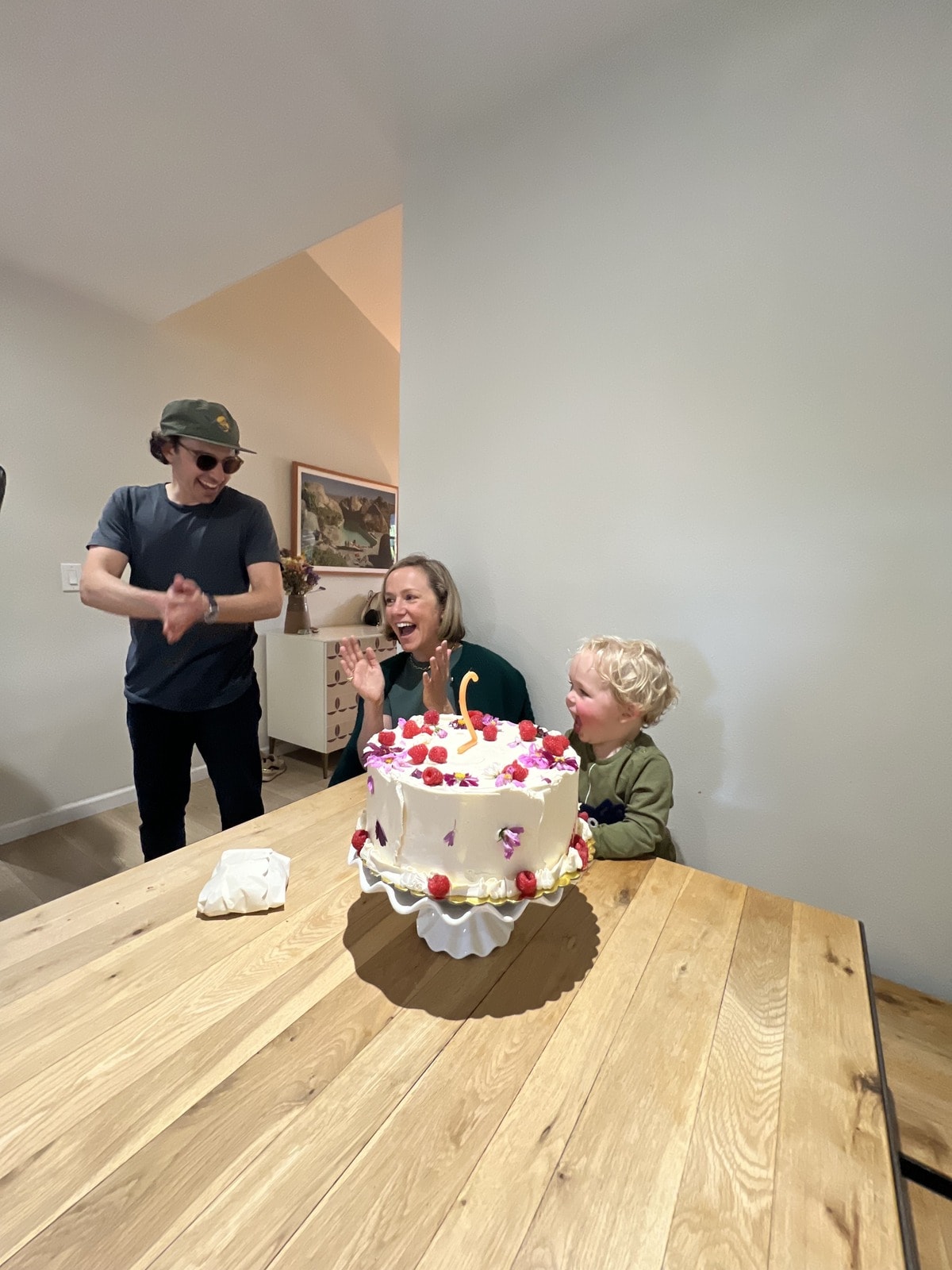
I'm incredibly grateful. This could have been a very different story. Because I stayed on top of surveillance, everything was caught early. I'm here. I'm healthy. I'm present.
What I'd Do the Same or Differently
I would absolutely still get tested. I would still take action. What I wish is that the information had been delivered differently—more compassionately, and framed as empowering rather than catastrophic.
Meeting with the right genetic counselor earlier would have changed a lot for me.
What I Wish I'd Had
I wish I'd had:
- Clear guidance from the beginning
- Reassurance that this information was power, not a verdict
- More examples of women living normal, full lives
- Fewer moments of feeling like I had to figure everything out alone
What I Want You to Know
Being BRCA-positive is scary—but it is also manageable. With the right care, the right team, and the right information, you can live a normal, healthy life.
These surgeries feel enormous when you're facing them. Often, they are less overwhelming than they seem once you're on the other side.
At my first consultation, Dr. Peled said to me: "I'm sorry this is happening to you, but it's going to be okay."
That's the message I want other women to hear.
This is one member’s personal experience, not medical advice. Talk with your care team about your own situation.