My Story
I knew about my BRCA1 mutation for 11 years before I was diagnosed with breast cancer at age 39. I didn't think it would happen to me before 40. I felt very healthy, ate well, and exercised daily. I thought I had plenty of time.
At age 39, I decided I was done having children, and it was time to be proactive about my health. I started planning a combined mastectomy and hysterectomy. But a month before surgery, I found a lump that ended up being stage 2 triple positive breast cancer. It was not detected on any previous screening test. (I was doing the recommended MRI and mammograms every 6 months.) In fact, even at 3.4 cm, the tumor was STILL invisible on a mammogram, due to my dense breast tissue.
Suddenly the preventative surgery was canceled, and it was chemo, cold capping, and cancer treatment instead.
I had to have chemotherapy, immunotherapy, and instead of going on HRT as I planned, I have to take hormone-blocking medication for 5–10 years. I also have to deal with the anxiety that comes with a cancer diagnosis, and the profound regret for not being more proactive about surgery.
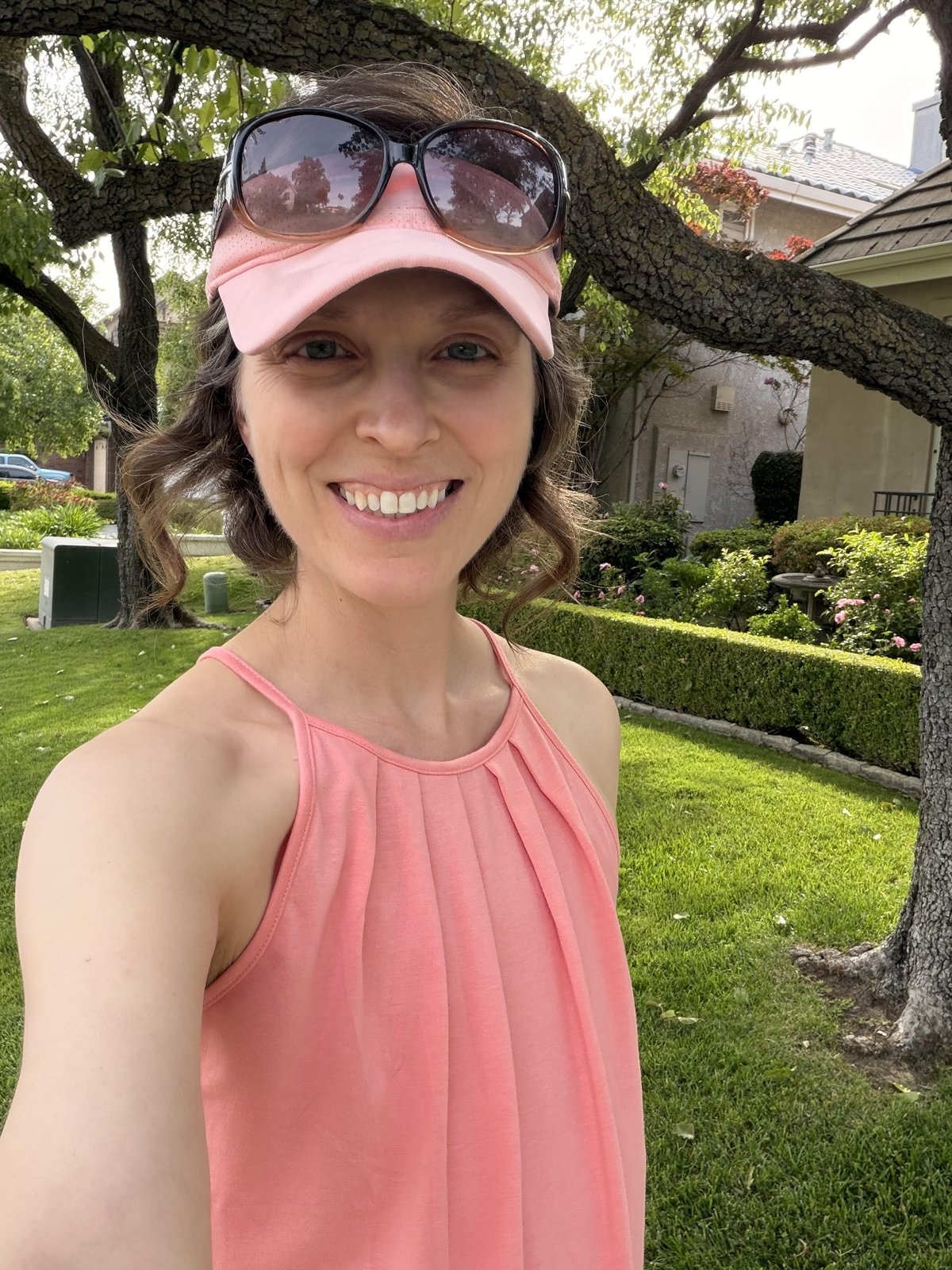
How I Felt When I Found Out (About BRCA)
I consider myself a savvy health consumer. I'm a dietitian and both my parents are doctors. So when I tested positive for BRCA1, I really thought I had this handled. I read all the books. I did my research. I joined the support groups. I had a healthy lifestyle. I thought I could get the surgery when I felt ready and never have to hear the words "You have cancer."
How I Thought About Risk
What I wanted from the very beginning was to understand my risk by decade—not just my lifetime risk, but what's my risk in my twenties, my thirties, my forties? I thought I'd found the answer. One of the books I read cited a study from the '90s that put my risk in my thirties around 10%, and I thought: okay, 10%—I'm really healthy, I'm not going to be in that 10%.
What I didn't realize is that those numbers had changed. That figure came from one old study, and no one updated me. The risk has been shifting—women are getting cancer earlier and more often—and there was newer information out there, but I didn't go seek it out. I thought I already knew it.
What I Chose—and Why
I had a mastectomy and an aesthetic flat closure, and am very happy with the results.
I chose a flat closure because I wanted a straightforward, one-and-done surgery with less risk of complications. If I want to look like I have breasts, I figured I can wear my "foobs" outside of my body, rather than inside as implants. I sometimes wear lightweight forms, but I'm usually happy to go flat!
I also had a prophylactic total hysterectomy at age 40, about 2 months after my mastectomy. I missed the boat on preventing breast cancer. I did not want to miss the boat on preventing ovarian cancer.
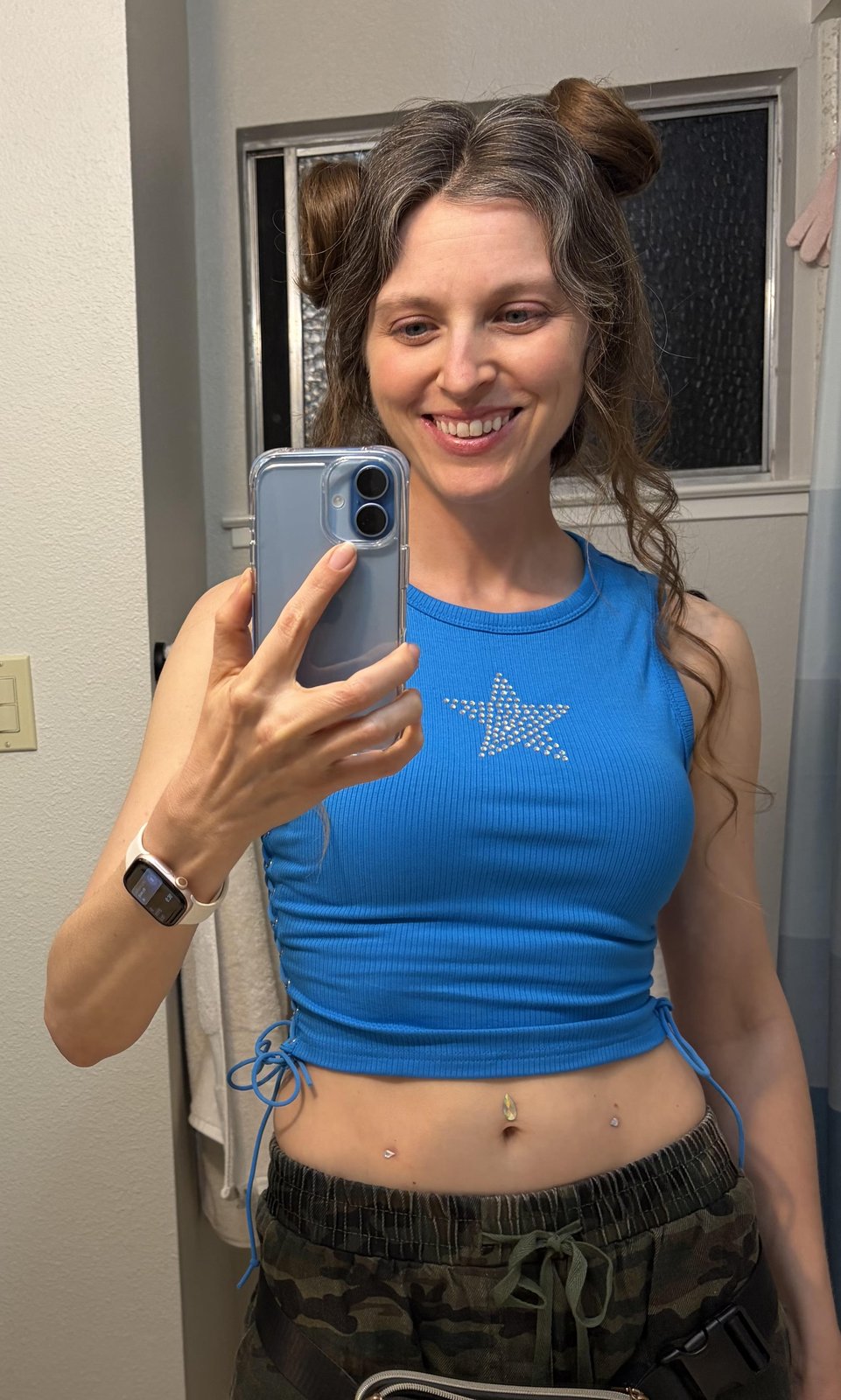
What Treatment and Recovery Were Really Like
The surgeries themselves were 1000x easier than I ever expected. I had almost no pain with either my mastectomy or hysterectomy. Doing 10 pushups would have made my chest more sore than my mastectomy. I believe the flat closure is what made the mastectomy recovery so straightforward. I found my breast surgeon in the physician directory of the flat advocacy group Not Putting on a Shirt. She had done hundreds of flat closures; no plastic surgeon needed.
Chemotherapy sucked, but I managed. I was still able to play a little pickleball and take care of my son. I cold capped and kept about 25% of my hair. I am hopeful that I won't have major long-term health issues from the chemo, but I guess I will just have to wait and see. The hardest part of active treatment was the mental part: every day feeling angry at myself for letting this happen, and feeling anxious about what the future held.
Medical menopause has also been easier than I expected, even without HRT. I have to pee more often, get the occasional warm flush, and feel a bit stiff if I sit too long. But otherwise, I feel like myself. My main concern is my bone density; I already have osteopenia thanks to the chemo and not being a candidate for HRT.
I am very comfortable being flat, and I attribute that to joining several flat advocacy and fashion groups on Facebook. Seeing other women who'd gone flat was very helpful. I looked at a lot of pictures, and I knew what to expect. By the time it was my turn, seeing a flat chest in the mirror felt totally normal.
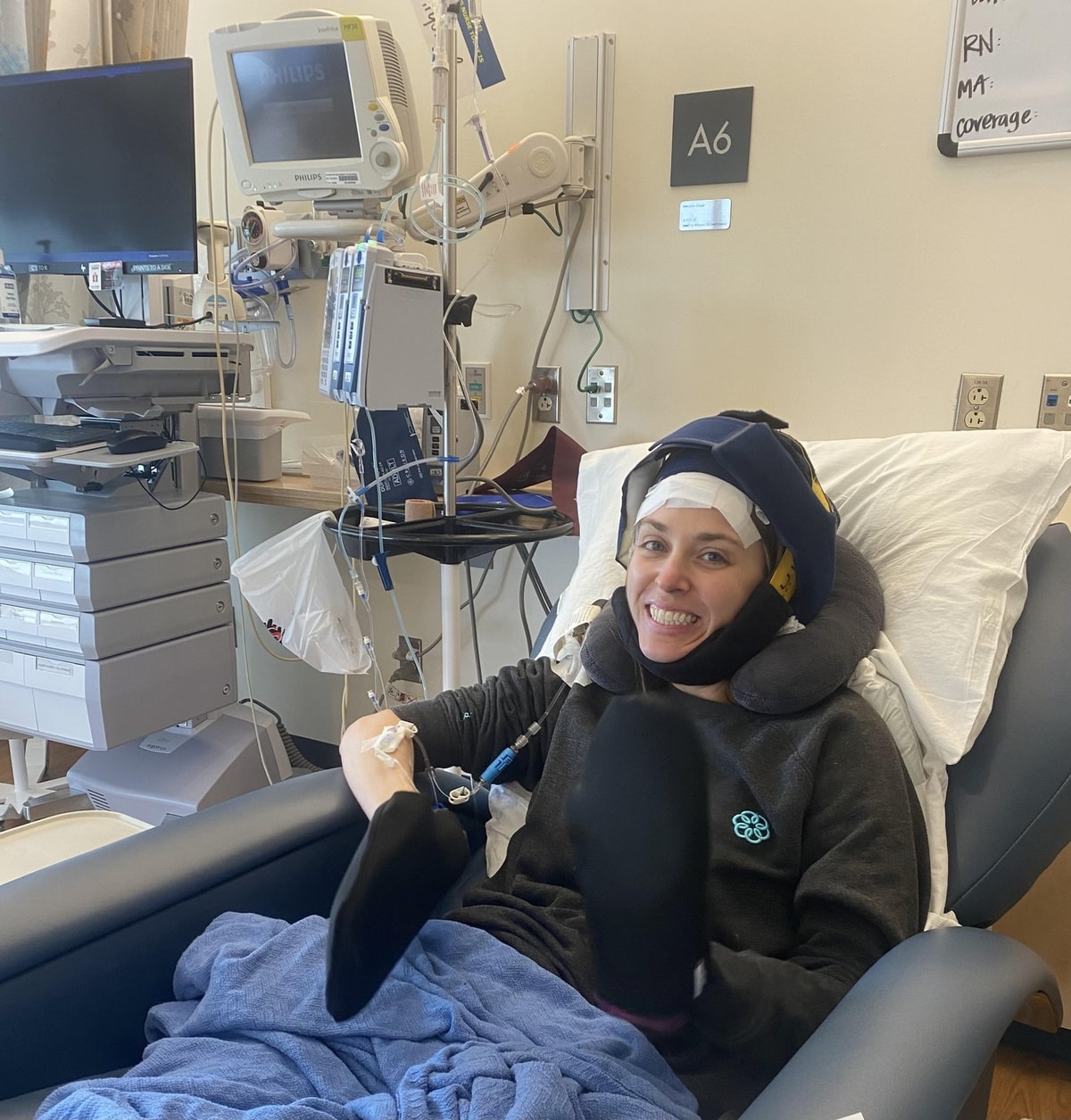
Where I Am Now
I am done with my cancer treatment and just want to move forward with my life. But it's still hard to know that I could have been more proactive and prevented cancer.
What I Wish I'd Had
I wish I had accurate information about my risk per decade. And honestly, I wish someone had scared me straight and talked me into getting a mastectomy sooner, before I got cancer.
What I Want You to Know
The BRCA gene mutation may feel like a curse, but knowing about the mutation is really a gift. It's a chance to be proactive. To prevent cancer. To protect your future. Don't waste it.
This is one member’s personal experience, not medical advice. Talk with your care team about your own situation.