My Story
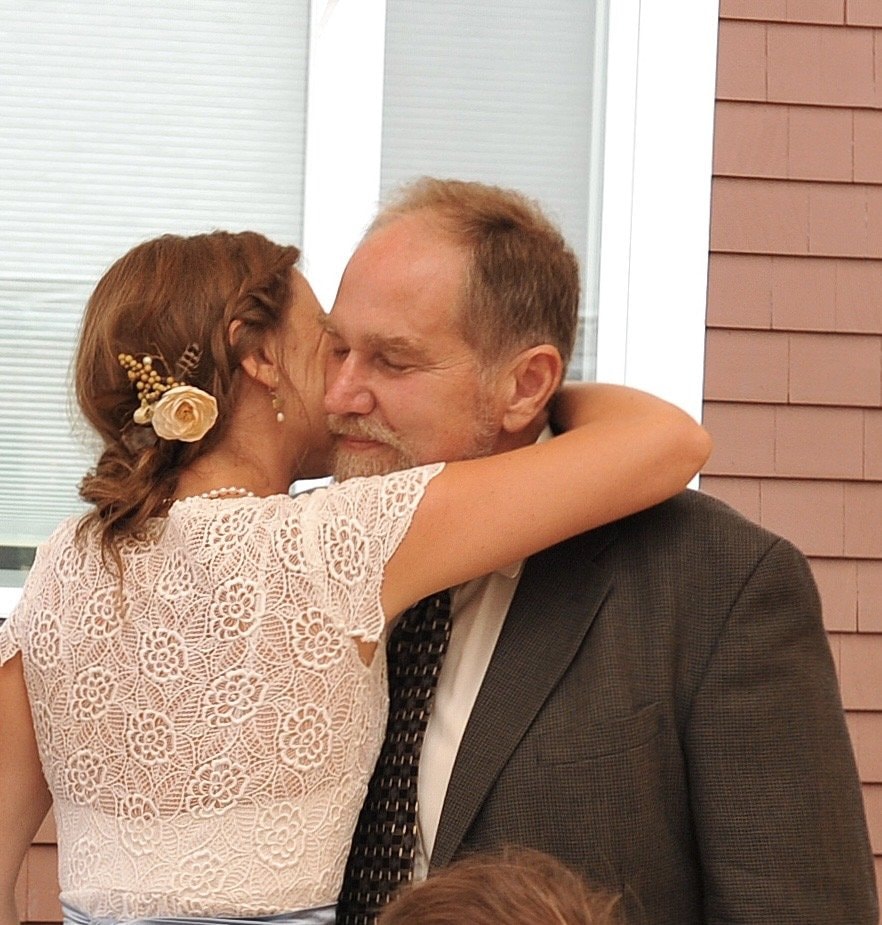
My dad, an only child, was diagnosed with metastatic prostate cancer just after his 71st birthday, and tested positive for BRCA2 six weeks later. I was too anxious to find out whether I was also a mutation carrier to wait the three months for an appointment with a genetic counselor, so I did direct-to-consumer medical-grade testing through Color Genetics. My family has no known history of breast or ovarian cancer, so this diagnosis was really quite shocking. Navigating my dad's death six months after his cancer diagnosis while simultaneously processing my own BRCA status and meeting with doctors to plan my prophylactic surgeries was very intense, to say the least.
What and Who I Chose—and Why
As soon as I got my results, I dove into the medical literature, which was overwhelming and not something I would necessarily recommend. It was quite clear to me that I needed to have my ovaries removed in short order given that I was 43, and that if I developed breast cancer I wouldn't be able to take hormones. I was absolutely terrified of surgical menopause (probably excessively so), and my breasts just felt like ticking time bombs that I needed to get rid of as soon as possible. Unlike for some women, my breasts were never a particularly important part of my sexual or physical identity, and since I had already breastfed my children, proceeding with a mastectomy felt obvious. It took exactly six months from diagnosis to mastectomy, which is how long it took me to find a care team with whom I felt comfortable and schedule the surgery.
In my deep dive into medical research, I learned about post-mastectomy pain syndrome, which is prevalent and unfortunately under-discussed by most doctors. I'm very physically active and complete recovery from surgery without any chronic pain or restrictions was my primary concern. This led me to Dr. Jonathan Bank, a Long Island-based plastic surgeon who specializes in nerve repair, also referred to as breast neurotization or Resensation, which has the potential to restore sensation to the breasts after surgery and minimize the prevalence of post-mastectomy pain syndrome. Dr. Bank recommended my breast surgeon, Dr. Craig Larsen, who was trained in nerve preservation and with whom he often partners. I live in Brooklyn, so I didn't decide to haul out to the suburbs for surgery lightly, given how many other options there are in the city, but it was absolutely the right decision. Big surgeries have the potential to be traumatic experiences when patients feel dismissed by their providers when they are at their most vulnerable. Dr. Bank always made himself available to me, and I felt seen and cared for. I've since sent lots of other BRCA carriers to Dr. Bank and Dr. Larsen, all of whom have been equally happy with the care they received and the aesthetic results of their surgeries.
I ultimately chose to do a DIEP flap reconstruction, which is a significantly bigger surgery and longer recovery than implants or aesthetic flat closure, but I thought it was the reconstruction most likely to result in a body that felt like me. I have always had small breasts, so although I didn't have much abdominal fat, Dr. Bank was able to recreate what I had previously, with the added benefit of repairing my abdominal muscles that two pregnancies had stretched and weakened.
In addition to recommending my breast surgeon, Dr. Bank also recommended an OBGYN, Dr. Adi Katz, to do my bilateral salpingo-oophorectomy (removal of ovaries and fallopian tubes) at the same time that he did a small revision surgery, thirteen weeks after my initial surgery. I consulted with Dr. Corrinne Menn in advance of my second surgery. I had my prescriptions for hormones (oral micronized progesterone and transdermal estrogen patch) already filled, and I woke up in the recovery room wearing an estrogen patch.
Despite my fear, surgical menopause (with hormones) has actually been incredibly easy. Watching my friends navigate perimenopause, I occasionally feel secretly lucky that I got to skip it entirely. Two and a half years later, I'm sleeping well, with good libido, mood, and energy, and have gained muscle and not weight—avoiding all the things about which I was most concerned.
How I Felt When I Found Out
Finding out that I was BRCA2 felt like a catastrophe. For about a month, it was incredibly dark. I knew intellectually that I should feel grateful for this knowledge and the ability to act proactively, but I couldn't access it. I just felt sorry for myself and scared and had ugly feelings of jealousy towards other women who didn't have to go through this. Part of my self-identity has always been that I'm healthy and strong, and having this genetic mutation felt almost embarrassing. While reading lots of medical research made me informed, it did absolutely nothing for my mental or emotional health. What actually helped was joining Facebook groups and the FORCE message board and connecting with other BRCA positive women. And then eventually finding doctors I felt I could trust, rather than trying to handle all the medical knowledge and decisions alone.
What I Wish I'd Had
I wish that instead of waiting three months for a genetic counselor, I could have gotten an appointment quickly and that the counselor could have directed me to a list of providers who were BRCA-knowledgeable. I was fortunate that my primary care physician recommended Dr. Melissa Frey, a GYN oncologist who specializes in BRCA, but finding hormone-literate providers was brutal. There's a lot more discussion and awareness about menopause than there was even three years ago. Still, there are very few providers who understand surgical menopause and are comfortable treating BRCA carriers, particularly when it comes to testosterone. A list of vetted providers with whom other BRCA women have had positive experiences would have been a game-changer and saved me a lot of time and money.
I would also have loved access to the sort of personal stories that women are sharing here on MOTA and on the beautiful podcast, Walking the Genetic Line, which BRCA carrier and therapist Sara Champie has created. Just knowing that there are lots of us out here living full and vigorous lives after (and before) surgery would have meant a lot when I was first diagnosed.
Where I Am Now
On a physical front, I currently see Dr. Menn about once a year for a virtual consultation, and I see a menopause-trained nurse-midwife, Angela Ferin, who has an office near me and takes insurance, to prescribe hormones and run labs. I also see Dr. Melissa Frey annually. She stays on top of all the emerging BRCA research so that I don't have to, and she makes sure I get the recommended screenings—DEXA, skin, pancreatic cancer, etc.
Emotionally, I have found the whole experience of navigating the physical and intellectual challenges of this diagnosis to be really empowering in ways that I definitely didn't expect. I also didn't expect to form so many really strong friendships and find so much new community. I love that when I meet other BRCA women we immediately can talk about the important things in life: death, grief, sex, bodies, children. It's like having this portal into immediate intimacy and authenticity.
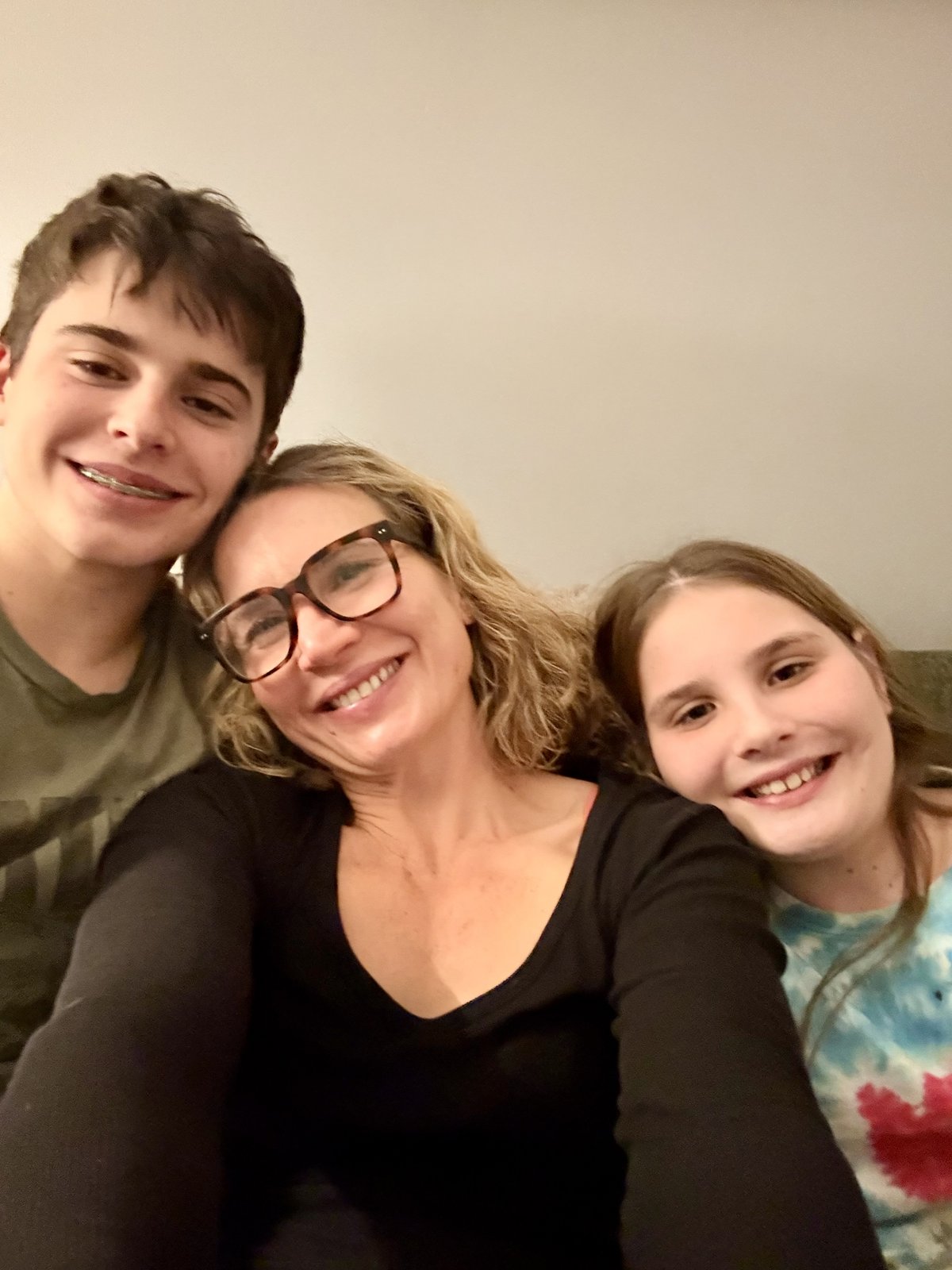
We can never eradicate risk from our lives, but for the most part I feel comfortable having done what was within my control to do, and so I don't feel anxious about possible future BRCA-related cancers. My children are currently 11 and 14, so won't be tested for at least a decade. I do have some anxiety around their potential status. Still, I am hopeful that scientific research will continue to advance and that they will have new, better options available if they are carriers. And all that gratitude I couldn't access at the beginning has definitely come flooding back into my life—for my health, for my doctors, and for the sense of community.
This is one member’s personal experience, not medical advice. Talk with your care team about your own situation.