My Story
I'm a BRCA1 carrier, and there's a strong history of reproductive cancers in my family. My aunt had breast cancer twice, and many women in my family died of ovarian cancer—though at the time, we didn't know BRCA was the reason. I found out I was BRCA-positive when I was in my early 20s, after my aunt was tested once BRCA started being talked about more publicly. (I inherited the gene from my dad. I think this is important to mention. Some people think you can only inherit the gene from a mother!)
How I Felt When I Found Out
Honestly, it felt like being handed a death sentence. I was 24 years old, had just graduated college, and suddenly I was being asked questions I couldn't possibly answer yet—When do you want kids? When will you have surgery? I didn't even know where I'd be living in a year. The information was overwhelming, and I didn't feel equipped to deal with it.
How I Thought About Risk
At that point in my life, the risk felt abstract—but terrifying. I was so young, and there wasn't much I could actually do yet aside from constant screenings and doctors appointments. I focused most of my fear on ovarian cancer and told myself: I'll have kids first, and then I'll remove my ovaries. A mastectomy was something I hoped I could avoid altogether. I pushed the idea of a mastectomy far down the road and quietly hoped science would advance enough that I wouldn't have to face it.
The Decisions I Faced
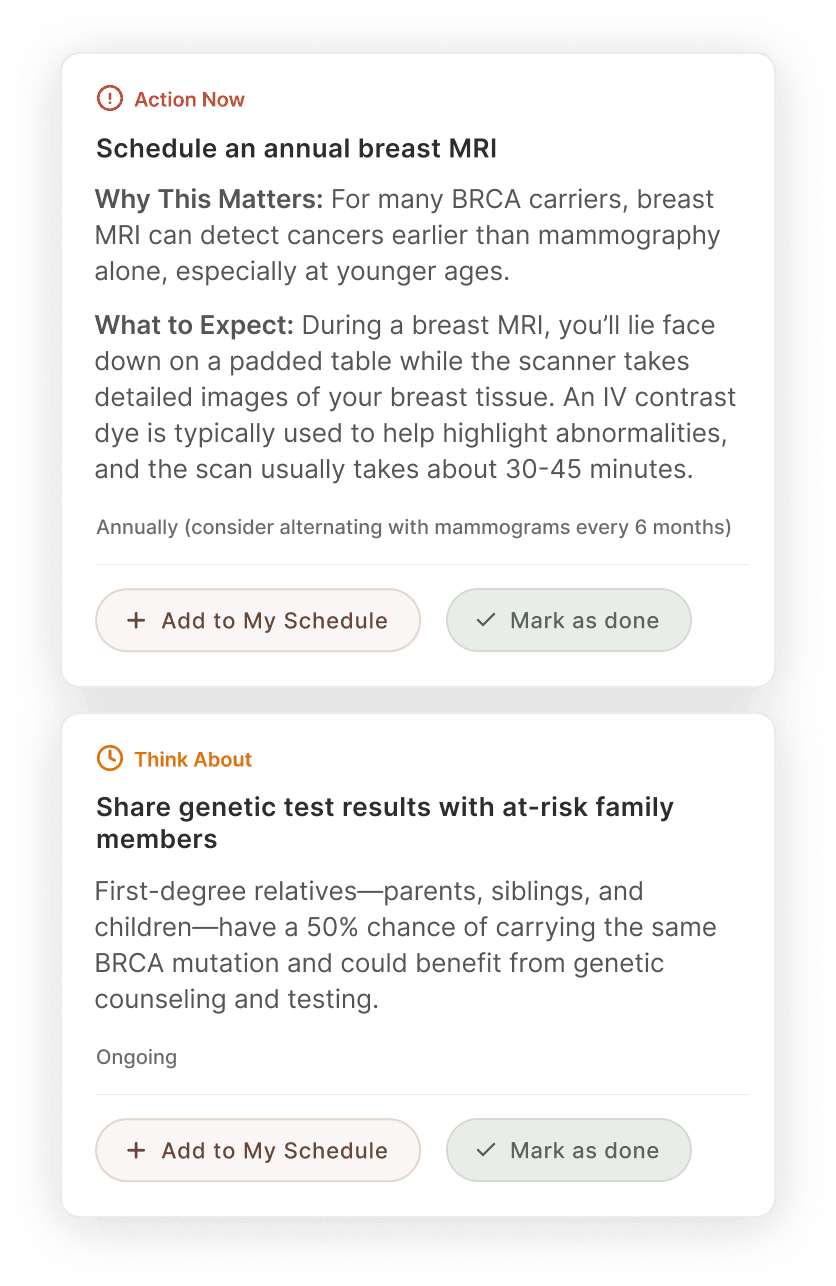
What I faced wasn't one decision—it was years of decisions. How to manage constant screenings. How to balance appointments with work, relationships, and eventually pregnancy. How to build a care team and decide where to go. I was going to doctors constantly—sometimes close to a dozen appointments a year—and trying to track everything myself. Emotionally, I was also dealing with the grief of losing fertility and choice before I even knew what I wanted for my future.
What I Chose—and Why
Everything changed when I was seven months pregnant with my daughter. My cousin—my aunt's daughter—was diagnosed with breast cancer at 34 and had a six-month-old baby (she was BRCA1 positive too). Watching her go through surgeries and chemotherapy made the risk feel real in a way it never had before. My husband and I looked at each other and realized we couldn't wait anymore.
I started meeting with surgeons while I was pregnant, knowing surgery would have to wait. When my daughter was ten months old, I chose to have a preventive mastectomy. After reconstruction and having my son, I chose to have a hysterectomy and have my ovaries removed. These decisions weren't about panic—they were about timing and doing what felt right for my life. I was determined to beat cancer.
What Treatment and Recovery Were Really Like
The hardest part wasn't just the surgeries—it was how long the process dragged on and the anticipation leading up to surgeries. Not to mention, managing recovery with little kids at home. A few weeks before my scheduled mastectomy, a tumor was found in my breast. COVID delayed my reconstruction, which meant living with expanders far longer than expected. That was physically and emotionally exhausting. I also learned how much bedside manner and care quality matter. I sought out top institutions and second opinions, and the differences between providers were dramatic.
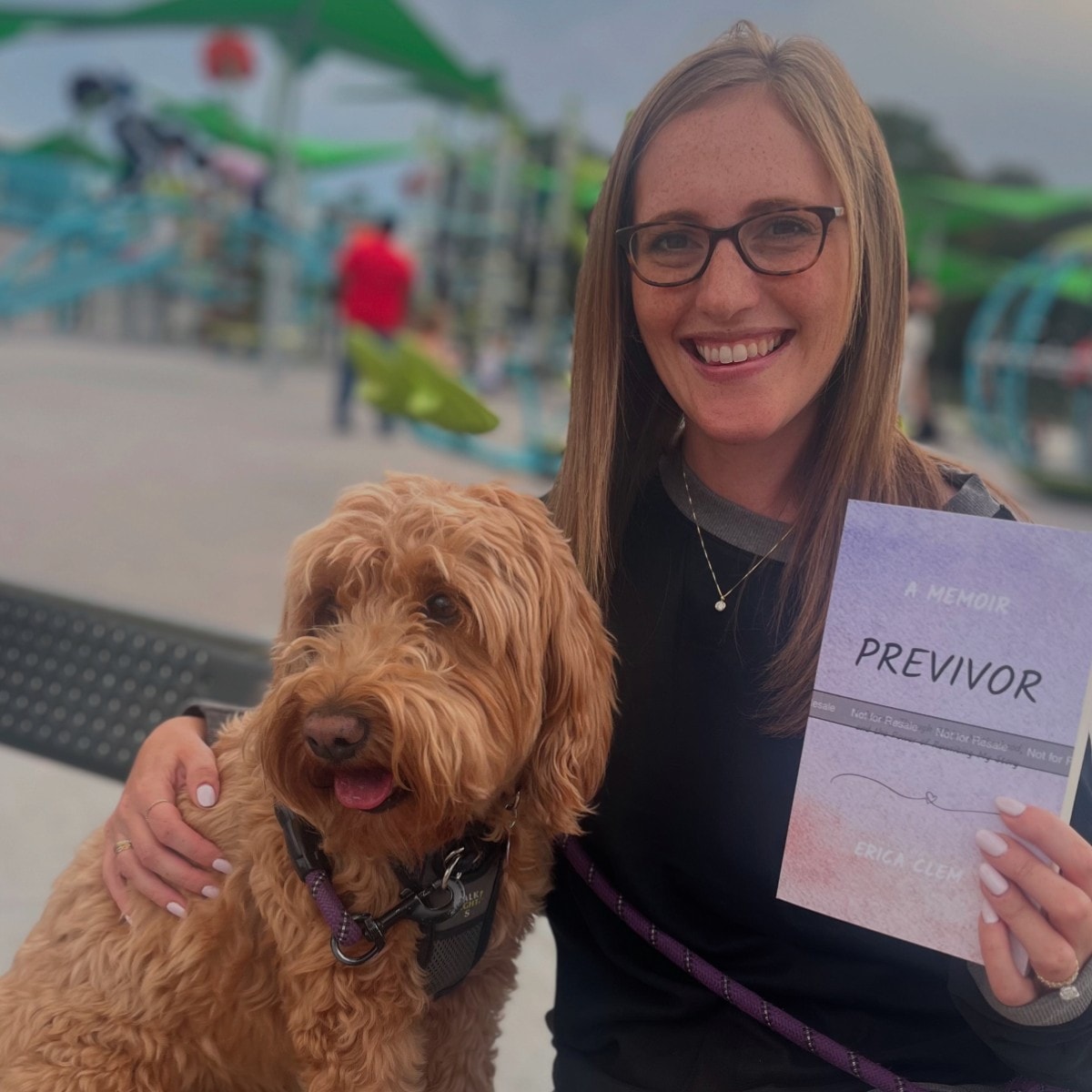
One thing that made a huge difference for me was emotional support. My dog was allowed to be with me during surgery and appointments, which helped my anxiety tremendously. Small things like that mattered more than I ever expected.
Where I Am Now
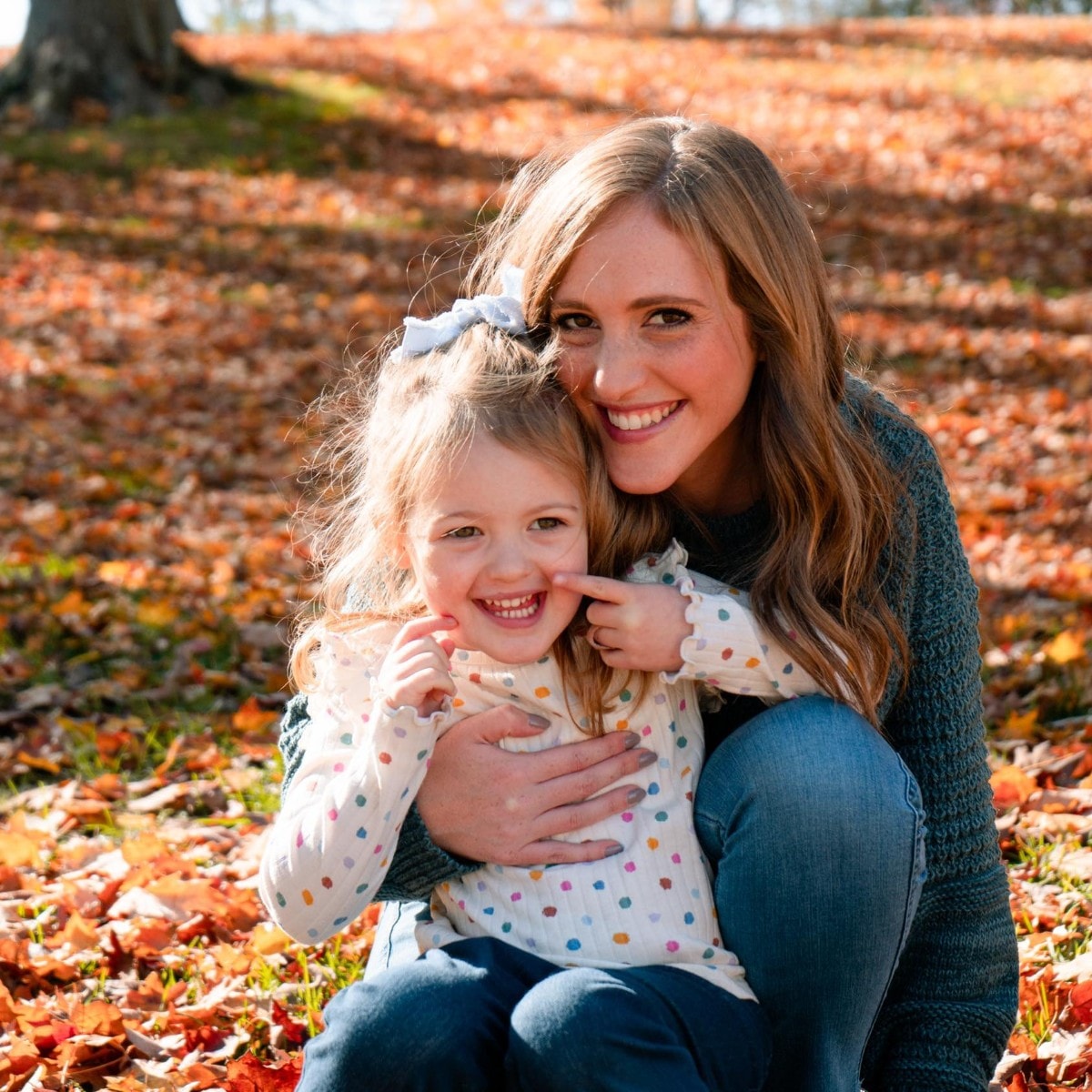
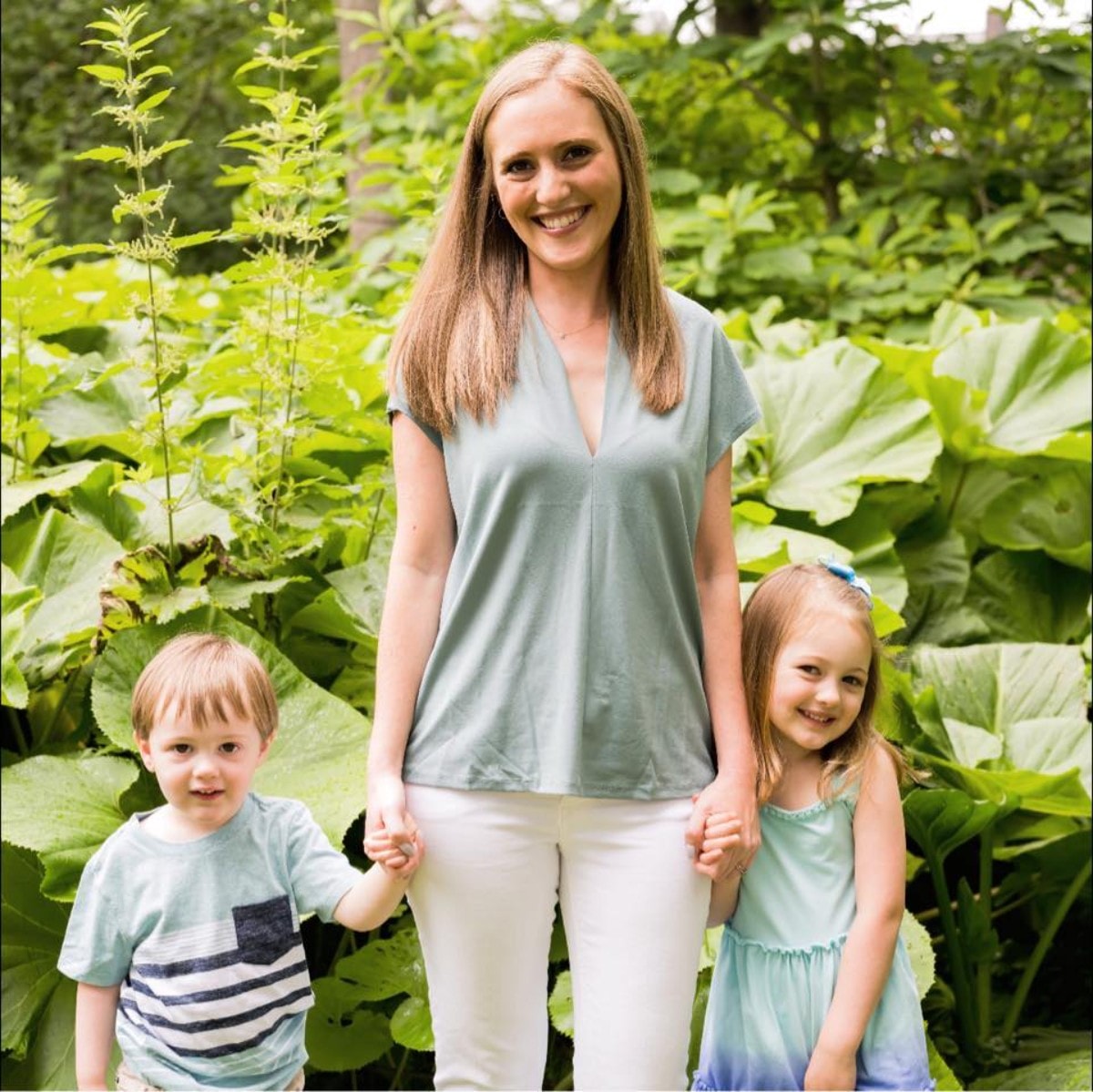
Today, I'm cancer-free and living a full life at the age of 38. I have two beautiful children and recently published a memoir documenting my BRCA journey as a "Previvor". I still have things to stay on top of—annual dermatology checks, long-term implant monitoring, and future pancreatic screening once I'm older. Surgical menopause brought some unexpected changes, like cholesterol and weight issues, which I'm now managing with specialists. However, Hormone Replacement Therapy has kept the symptoms at bay. Overall, life feels much calmer now than it did when everything revolved around constant screenings and planning for the next surgery.
What I'd Do the Same or Differently
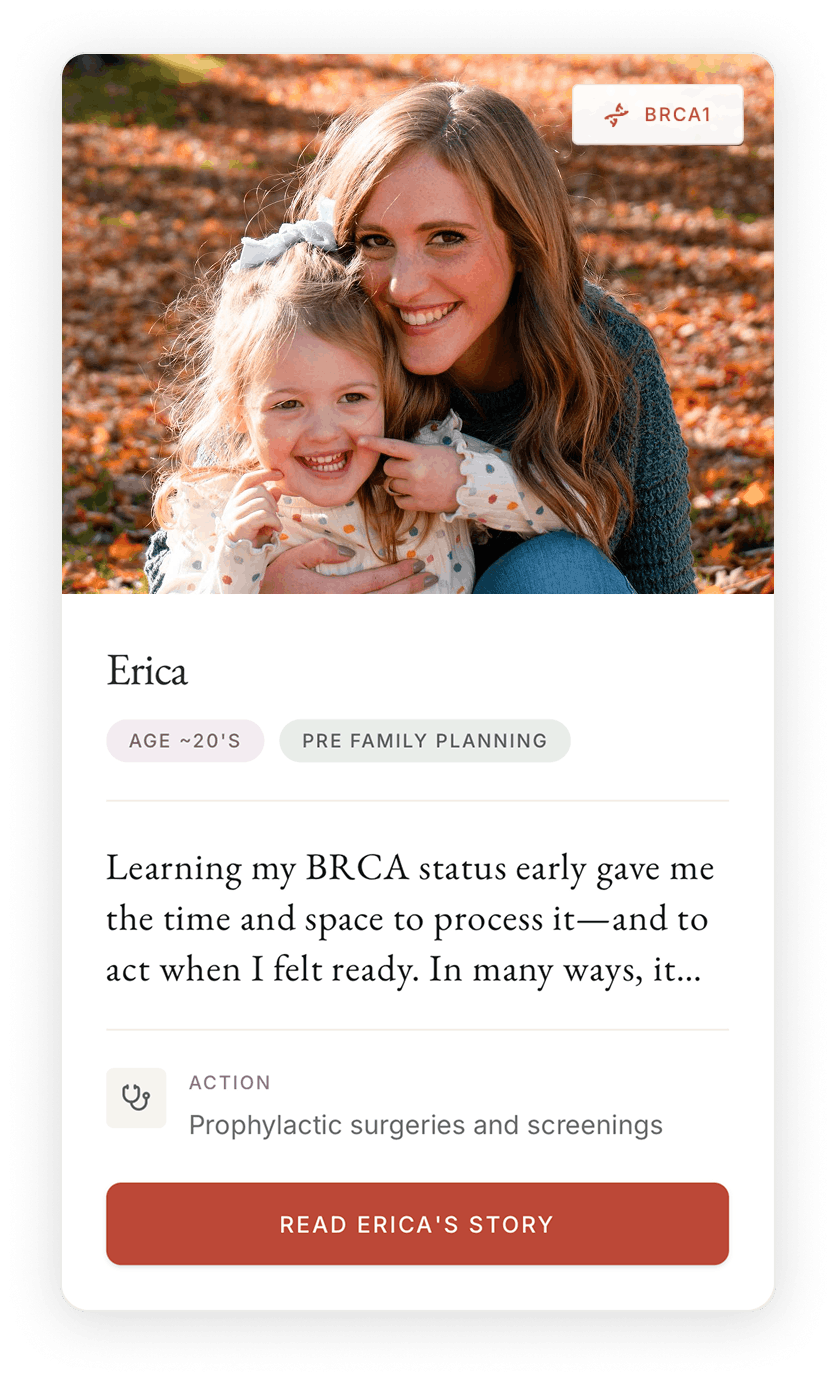
I don't regret any of the choices I made. Learning my BRCA status early gave me the time and space to process it—and to act when I felt ready. In many ways, it shaped the path my life has taken. If anything, I wish I'd had better tools earlier: clearer guidance, young women who could relate to my story, and easier ways to track all of my appointments. There were also things—like IVF with genetic screening—that were never discussed with me at the time. I don't know if I would have chosen them then, but I wish I'd known they were options.
What I Wish I'd Had
I wish I'd had:
- Stories from other women at the same life stage
- A clear roadmap for what to do next
- A way to organize appointments without building my own spreadsheet
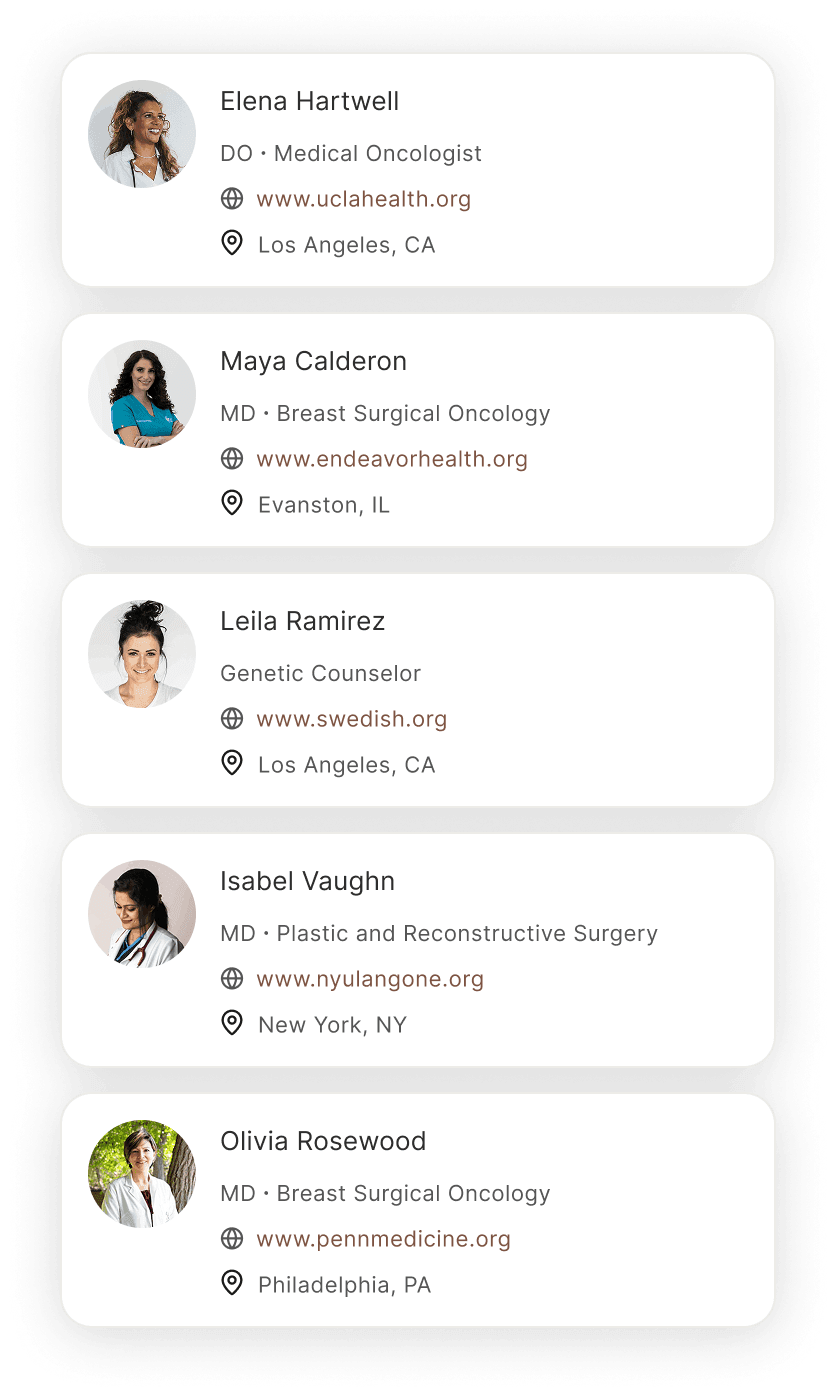
- Help understanding second opinions and where to go for care
This is one member’s personal experience, not medical advice. Talk with your care team about your own situation.